

Why Aging Eyes Develop Bags and Dark Circles — And What You Can Do About Them
March 12, 2026
The skin around your eyes is one of the first places to show signs of aging. Dark circles, puffiness, and under-eye bags can make you look tired even when you feel well-rested. While these concerns are very common, understanding why they happen can help you choose the right solutions—from skincare to lifestyle changes and, in some cases, medical treatments.
Why the Eye Area Ages Faster
The skin around the eyes is extremely delicate. In fact, it is thinner than the skin on the rest of your face and contains fewer oil glands. This makes it more prone to:
-
Moisture loss
-
Fine lines and wrinkles
-
Puffiness
-
Visible blood vessels
As we age, the body naturally produces less collagen and elastin, the proteins that keep skin firm and smooth. The result is thinner skin that can make discoloration and puffiness more noticeable.
What Causes Under-Eye Bags?
Under-eye bags often develop as the tissues around the eyes weaken with age. The muscles that support the eyelids become less firm, allowing fat that normally supports the eyes to shift forward and create a puffy or swollen appearance.
Several factors can make bags more noticeable:
-
Aging and loss of skin elasticity
-
Fluid retention (especially in the morning)
-
Allergies or sinus congestion
-
Lack of sleep
-
High sodium diets
-
Genetics
While occasional puffiness is normal, persistent under-eye bags often occur because of structural changes in the skin and tissues around the eyes.
Why Dark Circles Appear
Dark circles can develop for a variety of reasons, and sometimes multiple factors are involved.
1. Thinning Skin
As skin becomes thinner with age, blood vessels underneath the eyes become more visible, creating a darker or bluish appearance.
2. Pigmentation Changes
Some people naturally produce more pigment under the eyes, leading to brownish discoloration.
3. Fat Loss or Hollowing
Loss of volume in the face can create a shadowed look under the eyes, which often appears as dark circles.
4. Lifestyle Factors
Lack of sleep, stress, dehydration, and allergies can worsen the appearance of dark circles.
What You Can Do to Reduce Eye Bags and Dark Circles
While no single treatment works for everyone, a combination of skincare and lifestyle changes can significantly improve the appearance of the eye area.
Improve Sleep and Hydration
Sleep plays a major role in skin health. Aim for 7–8 hours of sleep each night and drink enough water throughout the day. Proper hydration helps skin maintain elasticity and reduces the appearance of dullness.
Reduce Salt and Alcohol
High sodium intake can lead to fluid retention, which often makes puffiness around the eyes worse. Limiting salt and alcohol—especially in the evening—can help reduce morning swelling.
Use Gentle Cold Therapy
Cold compresses or chilled skincare tools can temporarily constrict blood vessels and reduce puffiness. Even placing cool spoons over the eyes for a few minutes can help.
The Importance of Using an Eye Cream
Because the eye area is so delicate, it benefits from products designed specifically for that region. A well-formulated eye cream can help:
-
Hydrate thin under-eye skin
-
Improve the appearance of fine lines
-
Reduce dryness that makes wrinkles more visible
-
Support smoother, brighter-looking skin
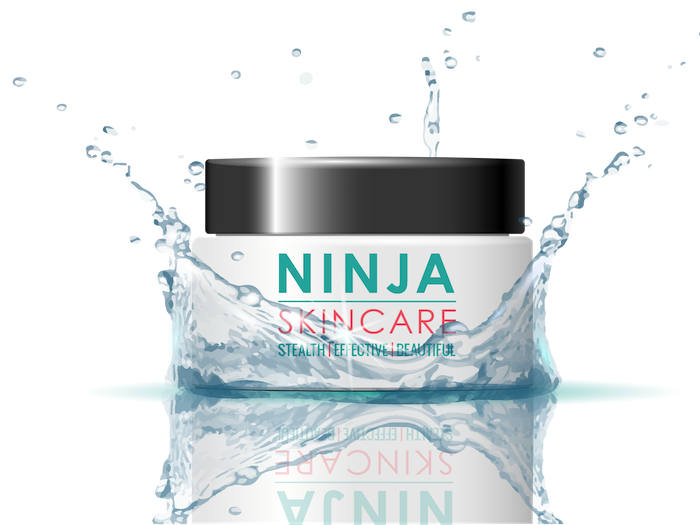
Regular use of an eye cream can help maintain moisture and protect the skin barrier around the eyes. Products designed for sensitive skin, such as Ninja Skincare Hydrating Eye Replenisher Cream/Gel, are formulated to provide gentle hydration while helping the eye area look smoother and more refreshed.
Applying eye cream consistently—morning and night—can make a noticeable difference over time.
Professional Treatments for Persistent Eye Bags
For people with more pronounced under-eye bags or deeper structural changes, professional treatments may provide additional improvement.
Dermal Fillers
Injectable fillers can restore lost volume under the eyes, reducing the hollow appearance that contributes to dark circles.
Laser or Skin Treatments
Certain dermatologic treatments can stimulate collagen production and improve skin tone and texture in the under-eye area.
Eyelid Surgery (Blepharoplasty)
In cases where fat deposits and excess skin cause significant under-eye bags, blepharoplasty may be considered. This surgical procedure removes or repositions fat and tightens surrounding tissue, creating a smoother contour under the eyes.
While surgery is not necessary for everyone, it can provide long-lasting improvement for individuals with more advanced aging changes.
Consistency Is Key
The delicate eye area responds best to consistent care and gentle treatment. While lifestyle improvements and targeted skincare products can help maintain healthy-looking skin, patience is important—visible improvements often take time.
Protecting the skin around your eyes with proper hydration, sun protection, and high-quality eye care products can help maintain a brighter, more youthful appearance for years to come.
 Get a ZERO obligation consultation with an acne-fighting Ninja!