
What Is Perioral Dermatitis? The Rash That Looks Like Acne
June 17, 2026
If you’ve been treating what looks like acne around your mouth, nose, or chin but nothing seems to work—or the condition is actually getting worse—you may not be dealing with acne at all. Perioral dermatitis is a common inflammatory skin condition that often resembles acne, leading many people to use the wrong products and unintentionally aggravate their skin.
What Is Perioral Dermatitis?
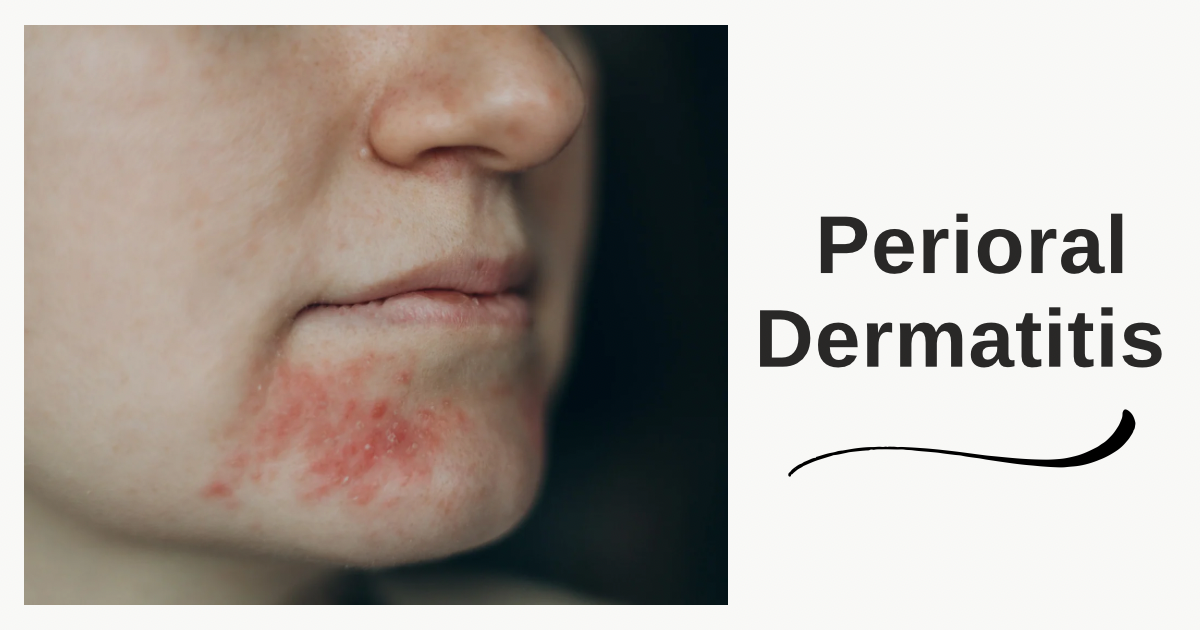
Perioral dermatitis is a facial rash that typically appears around the mouth, nose, and sometimes the eyes. It often presents as clusters of small red bumps, mild redness, dryness, flaking, or a burning sensation. Unlike traditional acne, perioral dermatitis usually does not feature blackheads or deep cystic blemishes.
While the exact cause isn’t always clear, the condition is believed to be linked to a combination of skin barrier disruption, irritation, and inflammation.
Common Symptoms of Perioral Dermatitis
Perioral dermatitis can vary from person to person, but common signs include:
- Small red or pink bumps around the mouth
- Dry, flaky, or irritated skin
- Burning, itching, or stinging sensations
- Redness around the nose and chin
- Bumps that resemble acne but don’t respond to acne treatments
- Occasional spread to the area around the eyes
One distinguishing feature is that the skin immediately bordering the lips is often unaffected, creating a clear ring around the mouth.
What Causes Perioral Dermatitis?
Several factors can trigger or worsen perioral dermatitis, including:
Topical Steroid Creams
One of the most common causes is the use of topical corticosteroids. While these creams may temporarily reduce redness, symptoms often return worse once the steroid is discontinued.
Overuse of Active Ingredients
Using multiple exfoliating acids, retinoids, benzoyl peroxide, or harsh acne treatments can weaken the skin barrier and contribute to inflammation.
Heavy Skincare Products
Rich creams, occlusive products, and certain cosmetics may trigger flare-ups in susceptible individuals.
Toothpaste Ingredients
Some people find that fluoride-containing toothpaste or certain whitening agents can irritate the skin around the mouth.
Hormonal Changes
Hormonal fluctuations may play a role in some cases, particularly among women.
Environmental Stressors
Heat, humidity, wind exposure, and excessive sun exposure can all contribute to irritation and flare-ups.
Why Acne Treatments Can Make Perioral Dermatitis Worse
Many people mistake perioral dermatitis for acne and reach for stronger acne-fighting products. Unfortunately, this often creates a cycle of irritation.
Products designed to aggressively dry out oil and blemishes can further compromise the skin barrier, increasing redness, peeling, and inflammation. Over-exfoliating the affected area may cause the rash to spread or become more persistent.
This is one reason why perioral dermatitis can be frustrating to manage. The instinct is often to treat it more aggressively when the skin actually needs a gentler approach.
How to Care for Skin With Perioral Dermatitis
When dealing with perioral dermatitis, less is often more.
Simplify Your Routine
Temporarily scale back to a gentle cleanser, lightweight moisturizer, and broad-spectrum sunscreen. Avoid introducing multiple new products at once.
Avoid Harsh Exfoliation
Pause scrubs, strong acids, and other potentially irritating treatments until the skin has recovered.
Focus on Barrier Support
Look for ingredients that help soothe and hydrate the skin without feeling heavy or occlusive.
Be Patient
Perioral dermatitis can take weeks to improve, even after triggers are removed. Consistency and a gentle routine are key.
Consult a Dermatologist When Needed
Persistent or severe cases may require prescription treatment and professional evaluation.
When Should You Suspect Perioral Dermatitis Instead of Acne?
If you’ve been treating breakouts around your mouth and nose with acne products but the area remains red, irritated, flaky, or increasingly sensitive, it may be time to consider that something else is going on.
Recognizing the difference between acne and perioral dermatitis can help you avoid unnecessary irritation and get your skin back on track sooner.
The Bottom Line
Perioral dermatitis is a common skin condition that can easily be mistaken for acne. While the two conditions may look similar, they often require very different approaches. If your skin is becoming more irritated despite using acne treatments, simplifying your routine and focusing on gentle skincare may be exactly what your skin needs. Understanding the triggers and symptoms of perioral dermatitis is the first step toward calmer, healthier-looking skin.
 Get a ZERO obligation consultation with an acne-fighting Ninja!